








I am a nutritional pharmacist from Boulder Colorado. I specialize in using nutritional supplements where other healthcare practitioners use toxic pharmaceutical drugs. That’s because I look at the human body as a healing and regenerating system, designed divinely to heal and renew itself on a moment to moment basis. But it needs the raw materials to do its work. The raw materials we call nutrition and nutritional supplementation. You’ve gotta be on a nutritional supplement program if you want to be healthy in 21st century America. If you are on prescription drugs, we want to help you get off those drugs and get on a good nutritional supplement program, like the one designed by Dr. Wallach. They’re the ones I take and the ones I recommend, and if you follow the information on this site we’ll point you in the same direction: towards a cleaner, chemical-free healthy existence. If you should have any questions, please do not hesitate to post them or call me on the air every Friday from 2:00 - 4:00 pm. on 1080 am KSCO Radio.
The Brite Side is about understanding the invisible power that is pervades us, that is all around us and that we readily access, albeit unconsciously. This invisible power is not new agey or airy fairy or in any way, less than scientific. In fact, It’s as scientific as the electricity that turns on our lights. Actually, it is the same as the electricity that turns on our lights. It is this invisible power that shows up as electrical energy that powers the human body and powers the human mind. It is responsible for healing and growing and thriving and in biological terms we can refer to it as the life force. If you are religious you can call it GOD. When this life force, electrical energy, GOD if you like, is detected by the eyes we call it light as in the light of the world, when it is detected by the ears we call it sound as in the word, as in “in the beginning there was the word”. The wondrousness of this omnipresent, eternal stuff is that while it is one thing it shows up in endless diversity of form from the smallest bacteria to the largest stars and it is exactly the same stuff that runs our bodies. This invisible power is only invisible until we see it’s work and that’s what the Brite Side is about. Understanding how to consciously access and how to consciously use the invisible power that fuels every living thing. All sickness and disease is simply poor technique. Lack of skill. Much the same as a child learning a musical instrument, poor health is simply the physical equivalent of the horrible sound a violin makes when a 5 year old picks it up for the first time. The Brite Side is about understanding that the same way that 5 year old, if he keeps practicing, no matter how horrible he may sound at first, will eventually become a talented musician, if he keeps practicing, if we keep practicing how to use this invisible power, this Life force we can become virtuosos of life, virtuosos of living. We can strive to treat our health issues and our life issues as exercises that will eventually build our life skills. When it comes to health, never, ever let any medical professional tell you that you just have to live with a health crisis, or you’ll have to be on this drug for the rest of your life. There invisible power, the life force gives the human body has an astounding ability to repair itself. Every little shaving nick or paper cut is an opportunity to witness this amazing healing power. Bone cells, liver cells, lung cells, stomach cells, blood cells, skin cells are constantly dying and being born, again and again and again and again till the day we die. Revelation 21:5 God says “behold, I make all things new”, and nothing exemplifies more than the human body.
But we got remember the old adage GIGO, garbage in garbage out. Garbage thoughts, garbage feelings and garbage food produce garbage bodies. Physical health and wellness are built first and foremost from quality thoughts. We should all be striving to understand the thought process and then to harness the thought process for our ultimate good. Consciously selecting healthy positive thoughts and releasing old negative thoughts. And when comes to emotions and feelings, we have to learn how to feel our feelings so they can be released. One of the most sure fire ways to create illness is to suppress feelings. At a very young age we learn that our feelings are not OK, and we become very skilled at suppression. Feeling feelings fully doesn’t come easy for us, but it’s a skill that can be learnt and we can actually come to enjoy them. Even unpleasant feelings like anger and fear are not problematic as much as resisting anger and fear. Can you see the difference between feeling fear and resisting feeling fear? Between feeling sadness or anger and resisting feeling sadness or anger. The feeling itself is just energy coursing through the body. The real problem is, and the negative health implication that arises is in the resistance. That’s what creates the tension and resistance and ultimately the lack of ease or dis-ease.
Well, based on the large number of e-mails I've received in the past few weeks, it seems like lots of people are dealing with psoriasis. So in the interest of helping as many people as I can without having to make a thousand phone calls, I thought I'd dedicate this post to sure-fire nutritional stratagies for eliminating this troubling skin condition. Before I give you some ideas however, I want to make two points very clear: #1 psoriasis is completely treatable once the causes are addressed and #2 psoriasis is only the outer the manifestation of an internal biochemical issue that MUST be addressed to prevent inevitable degenerative systemic disease that can cause much more than cosmetic distress. In other words, psoriasis sufferers are at higher risk for cancer, heart disease, arthritis and many other degenerative health challenges that can ultimately decrease quality of life and shorten life span.
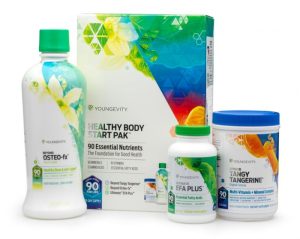
So what do you do? First of all, it must be recognized that psoriasis is NOT a skin disease. Psoriasis is an immune disease that appears on the skin and it usually has a digestive component. So, first of all, immune conditions mandate removal of immune triggers. These are usually digestive and involve grains, dairy, soy, beef/pork/chicken, eggs and legumes (peanuts and beans). Patients must be aware of any digestive discomfort, (even something as mild as heartburn) and eliminate triggers. Then digestive support supplements must be incorporated. These include probiotics also known as “good bacteria” (Youngevity FLORA FX, or NIGHTLY ESSENCE) and digestive enzymes (Youngevity ULTIMATE ENZYME which contains bile salts in addition to enzymes). Other important nutritional supplements include Essential Fatty Acids (Youngevity ULTIMATE EFA) Vitamins A and D and C and Zinc (Youngevity ULTIMATE MULTI and in my personal favorite Youngevity product BEYOND TANGY TANGERINE). Topical application of Zinc and Vitamin C can provide some relief and may accelerate the healing process. Lastly, make sure you AND your plaques are getting out in the sun.
The world of health is filled with poorly examined assumptions. It isn’t all that long ago, for example, that pasta was considered a health food. When I was growing up in the 1960’s and 70’s, margarine was known to be a healthier choice for your bread or potatoes or corn on the cob than butter. Recently the so-called “Central Dogma” has been promoted as the cause of both health and disease. The “Central Dogma” is a biochemical theory, first described by Francis Crick in the 1950s that basically states that once something is programmed genetically, it can’t be changed. In other words, once something is “in your genes”, that’s it. There are no other points, according to the “Central Dogma”, of control for the production of proteins, for the production of chemicals, for the production of of YOU. Now, whether or not the fact that Francis Crick was one of the guys who discovered DNA (at least that’s how the story goes), whether his role as discoverer, is important for his championing of DNA as the final determinant of how our lives and bodies show up is really besides the point. The fact is that until very recently it was the opinion of medical professionals, scientists as well the average person on the street, that our diseases are in our genes and that’s that. If something is coded genetically cancer, for example, than cancer it is and cancer it will be. Doctors recommend the removal of organs typically the ovaries or the breasts, because of the supposed likelihood of the appearance of cancers based on genetic history. Christina Applegate’s preventive double mastectomy of a couple of years ago is just one of the more famous recent examples. Well fortunately the days of the preeminence of the genome are quickly coming to an end. What is being recognized today by more and more health care professional as well as their patients is that the structure and components of our environment have a large role to play in what kinds of expressions are produced by our genes. It’s all part of a science called EPIGENETICS, as in superior to or above genetics. Epigenetics was mentioned in Time Magazine as one of the top ten medical discoveries of 2009 and it basically frees us from the tyranny of our genes. In other words, no longer do we have to be held hostage to our genetic history. No longer to we have to be so terrified of our DNA that we feel that our only recourse against genetic disease is to have our organs removed. The science of epigenetics is really what The Bright Side is all about, because it gives our choices an element of importance, it gives us an element of control, and that is good news! The science of epigenetics is our key to health and vitality, because unlike the science of genetics which relegates our role in our health to an “afterthought”, because after all: “it’s in our genes”, epigenetics states that what is produced, expressed at the genetic level is connected to the lifestyle choices we make. By the choices of the foods we eat, the supplements we take and even by the thoughts we think and the emotions we feel. All these factors are predominant influences in what shows up as our bodies and as our chemistry for better or for worse, because they all effect our genes. Dr. Bruce Lipton who was one of the earliest proponents of the theory of epigenetics actually has pictures in his book “The Biology Of Belief” of black mice who were made albino by manipulation of the mother mouse’s diet. In other words what type of offspring was produced from a genetic perspective were changed by an epigenetic manipulation, in this case the mother’s diet. This well-reported and multiply verified phenomenon should be as significant to humanity as Abraham Lincoln’s emancipation proclamation was to American slaves in the mid 19th century. This new scientific reality is in essence humanity’s emancipation from genetic slavery. It does however make our choices much more important. Epigenetics in effect makes us as conscious, volitional choice-making beings responsible for our health. And that’s the Bright Side, that’s the good news. Yes, your genes are control points for who and what we are, for the color of our skin and eyes and hair, for the production of mutations and malfunctions as well as for the extraordinary biochemical miracle the living body produces on a nanosecond basis. But, they are not fundamental. Rather, they are flexible. And they are flexible to or responsive to superior control points. In other words there are control points above genetics, epi-genetic and many of these epigenetic points are nutritional molecules. In fact gene activity depends on a wide variety of nutrients which can function as on-off switches. What this really means is that we can literally feed our genetics, for better or for worse. The latest scientific literature shows that genetics is not a hard-wired, fixed and rigid system, but rather a flexible and responsive biochemical milieu that adapts to environmental and chemical changes during the lifetime of it owner. This is especially true with nutrition and has given birth to a new science called “nutrigenomics”, the study of the effects of nutrition and foods on genetic expression. There’s even a peer-reviewed medical journal called “The Journal of Nutrigenetics and Nutrigenomics”. Just to give you a little taste (so-to speak) of what I’m talking about, recent articles studied the effects of biotin starvation on fuel metabolism genes. Another article discusses the effects of dietary flavanoids (fruits and vegetables) on inhibiting cancer promoting genes. What seems to have happened is that as our abilities to manipulate foods has evolved over the last 100 years or so, the rising incidence of diet related diseases has sparked scientists to study the effects of foods on health. Given modern medicine’s fascination with genetics, it was only a matter of time before someone thought to examine the effects foods could have on genes. What was discovered was that nutrients literally act as signals that give cells information about what is being eaten and that information is then transferred to the genes and appropriate responses are taken. That means genes will be turned on or off. Now, when you think about your food as genetic signals, does that at least change our opinions about what we’re eating? Now, while clearly information that relates food to genetics is just now being exposed, many observers have suspected a correlation for years. As early as the 1960s it was reported that pregnant women who were deficient in folic acid were giving birth to babies who had genetic-based birth defects. Today all pregnant woman know that they better be taking extra folic acid to prevent babies being born with Spina bifida, a horrific birth defect where infants are born with the spinal cord exposed. However the nutritional aspect of genetic health was not fully realized until the human genome project was completed and scientists began to dig deeper into the mysteries of DNA. What was found was that the old saying “you are what you eat” has a special relevance for genetics. In large part, your genes are what you eat. What’s really scary about this is that our genes are basically the same ones that our caveman ancestors had. And those were genes that were designed to thrive on diets that were filled with protein, good fats, lots of vitamins and minerals and anti-oxidants. That’s why many of the diseases that we suffer from today are the result of the foods we’re eating. Our genes were nurtured on different foods. When our bodies are being fed by substances that our genes don’t recognize, which is what a 21st century diet is filled with, genetic health is immediately compromised. In essence, our genes are getting chemical signals that they don’t recognize. That’s one of the reasons that diets that are high in processed foods and refined sugars and artificial sweeteners can have such negative effects on our overall health. As familiar as a hamburger and fries and a soda are to our families, they’re complete strangers to our genetics. Just calories themselves can create genetic changes as for most of humanity’s time here on planet Earth starvation was a much more common genetic fact than satiety. Last week we talked about strategies for encouraging satiety in order to overcome holiday eating. That was based on outwitting our genetic tendencies. So, what are some other DNA enhancing strategies we can use to improve our genetic health. Well, one of the most important areas to work on when it comes to enhancing DNA health is energy as well as protection from the sparks that can fly off in the production of energy. Energy is made in specialized structures that live in cells in the thousands and nutrients that play supportive roles in energy production and protection can be very helpful in allowing genes to function optimally. One of the most important of these nutrients is Coenzyme Q10 which is involved in carrying bits of energy from one part of a chemical reaction to another part. It’s an energy shuttle or an energy carrier and deficiencies, which are somewhat common can cause defects in energy production which can lead to weakness and fatigue. Because CoQ10 in the body is made with the same chemistry that cholesterol is made with, deficiencies are a common side effect of the statin drugs. If your taking Lipitor or Mevacor or Zocor, you want to make sure that you’re supplementing with one or two hundred milligrams of CoQ10 every day. Folks with DNA defects in the mitochondria can suffer from energy production problems and Coenzyme Q10 has been used successfully to treat many patients with these genetic disorders. In fact everyone would probably be smart to use CoQ10 on a daily basis. Even though healthy people can make CoQ10, a little extra jolt of this non-toxic supplement has been shown to improve muscle function, heart function, blood pressure, memory and even crow’s feet around the eyes when it’s applied topically. There’s at least two studies that show that folks with muscular dystrophy can benefit and there’s some literature that shows that patients with post polio syndrome may benefit as well. Alpha Lipoic Acid is also involved in energy production genetics. It suppresses the activity of factors that turn on inflammation genes so it can play an important role in improving inflammatory disorders like arthritis or autoimmune diseases. It increases and protects the genetic activity of the mitochondrial DNA resulting in more energy and it plays a critical role in the chemistry of sugar metabolism. Diabetics would do well to be taking 200mg of Alpha Lipoic Acid every day and in fact everyone should probably be taking it on a regular basis. It’s also found in meat and cruciferous vegetables (broccoli, kale, cabbage, Brussels sprouts). Because aging involves damage to mitochondrial DNA, Alpha Lipoic Acid has general anti-aging benefits as well. Recently Dr. Bruce Ames, who is considered one of the premier genetic scientists in the world, has reported that Alpha Lipoic Acid in conjunction with another nutrient, Acetyl-L-Carnitine dramatically improved and in fact reversed declining energy levels in laboratory animals. This combination has also been shown to work in improving the activity of fat metabolism and may have weight loss implications. Acetyl-L Carnitine and its parent compound Carnitine are also found in beef and pork products and to a lesser extent dairy and fish. Acetyl L-Carnitine is carried into the brain where it helps support the manufacture of brain chemicals, so it would be wise to include it in a general anti aging protocol, maybe 1 or 2 grams a day is a good place to start. There are also nutrients that help support the manufacturing of genes, as well as their repair. Prominent among these substances are the B-vitamins, without which, the building blocks for genes wouldn’t exist. And the B-vitamins are involved in turning genes on and off thru a process called methylation. Scientists have actually shown that fixed genetic traits like eye color and skin pigmentation can be manipulated by depriving or supplementing mothers with the B-vitamins. We talk about the B-vitamins a lot on this program and these are just more reasons to make sure your body is saturated with these substances. They’re water soluble so don’t worry about getting too much because you’ll simply excrete what you don’t use. It’s difficult to get large amount of the B’s from food, unless you’re eating farm fresh, because these substances are unstable and break down over time, especially if they’re exposed to heat or to light or to oxygen. That’s why supplementing is important. And in liquids not pills. Powdered B’s dissolved in water are so effective that many people notice immediate clarity and boosts in energy. I like the Youngevity Beyond Tangy Tangerine, which has a got a whole host of other nutrients in their too. Then there’s the Essential Fatty Acids. Remember, in nutrition the word “essential” means it’s not made in the body so it must be obtained in the diet or supplementally. EFA’S are genetically active and in fact have been shown to reduce the incidences of several genetically dependent cancers. Specifically forms of both prostate and breast cancer were genetically modified creating reductions in their incidence when subjects were given Omega-3 fatty acids from fish. Other studies have demonstrated the effects of dietary fats on liver genes. So clearly appropriate fat intake is an important part of genetic health. Then there’s Vitamin E, which protects genes anti oxidants can disable genes in cancer cells. Selenium supports cancer suppression genes. Then there are the phytonutrients in plants, fruits and vegetables. Sulfides in garlic and onions, phytates in beans and grains, glucarates in tomatoes and citrus fruits, lignans in flax and seseme, and other seeds, isoflavones in legumes, indoles in broccoli and cauliflower and other cruciferous vegetables, ellagic acid in grapes and berries, Bioflavanoids and carotenoids found in algae and seaweed and almost all fruits and vegetables have been shown to modify gene expression and to protect against degenerative and age-related diseases. Human detoxification enzymes can be genetically modified to improve their performance and increase their numbers, AT THE GENETIC LEVEL! That means better detoxification of poisons. Vegetables are loaded with these substances. The cruciferous vegetable are especially important in this regard, broccoli, kale, cauliflower, cabbage and Brussels sprouts, but all plant materials contain some phytonutrients that up the production of detoxification and anti-cancer genetics. More and more we are seeing that nutrient intake plays a large role in the activity of what was until now thought to be a largely independent realm of biochemistry. In fact many scientists and nutritionists the diets of the future will probably be individually designed to maximize the health of specific genetic profiles. For now however, nutrigenomics is just another instance and example of how critical nutrition is maintain health and wellness even if something is in your family history or, “in your genes”
Disciplining and controlling the human “sweet tooth” and subsequently stabilizing blood sugar is one of the most important things a person can do to maintain good health. Elevations in blood sugar and associated elevations in insulin are behind many, if not most of the health issues we confront today. High blood pressure, cardiovascular disease, obesity, and of course diabetes have clear associations to unstable blood sugar and blood insulin. And while the connections to cancer, accelerated aging, osteoporosis, arthritis and autoimmune issues are less definitive, a case could certainly be made that the likelihood of confronting these health challenges (among others) would almost certainly be reduced by reducing sugar intake. Now while it is important to recognize that simply fighting sugar cravings is a futile strategy. In other words will power is not a great weapon in the battle against sugar because the drive for sugar is built-in, it is hardwired into our brains from millions of years of evolution; and in the battle between hard wiring and will power, hard-wiring usually wins. What we want to be able to do is understand the “habituation” mechanism. “Taste anesthesia” must be confronted. Our taste buds become numb to sweetness and gradually it takes more and more sweet for us to be satisfied. And, there is some literature that suggests that even the sweet taste can raise blood sugar and insulin levels, even without sugar! Ideally, we want to take a “sweet holiday”, one or two days off from sweetness, from the sweet flavor so that our sweet receptors can become re-sensitized. Sort of a sweet “re-set”. That’s ideally. However for some of us, who are addicted to sugar that may be easier said than done. And, after our “sweet holiday” we’re going to want to reintroduce the sweet flavor back into our lives albeit to lesser degree than it was before our break. And that’s where alternative sweeteners come in.
Mainstream alternative sweeteners have been out for decades. I remember when I was a little kid the big one was cyclamate. Then some studies showed that it may be associated with bladder cancer and in 1969 it was banned for sale in the United States, although you can still get it in other countries.
Then there’s the old standby saccharin, which is a lot sweeter than sugar, but is a simple chemical, “benzoic sulfilamine” that has not energy or calories. It’s also is free of aftertaste which makes it ideal for drinks and candies and manufactured food products. It was the first really big artificial sweetener and was branded as sweet n’ lo which is still a familiar site in restaurants and diners and coffee shops around the country. Sweet n Low account for 100 million dollars a year in sales and according to the manufacturer 30 million people use it every day. It’s unstable to heat, so you can’t really cook with saccharin, which is why it’s most often used in a blend with other artificial sweeteners (Sweet n’ Low is made with dextrose) in the 1970’s some studies linked saccharin to bladder cancer and warning labels were mandated. These have since been removed and it has now been declared by the FDA as safe for consumption. It is currently the third most popular artificial sweetener in the United states right behind Aspartame which goes by the name NutraSweet or Equal.
Aspartame, which is now being called “AminoSweet” is probably the most controversial of the artificial sweeteners. It’s a derivative of amino acids and it breaks down to form phenylalanine, which is why it has a warning label on it for people who can’t process phenylalanine . It’s 200 times sweeter than sugar and has no calories and doesn’t directly affect blood glucose or insulin (although recent literature indicates that the sweet taste alone may cause changes in blood glucose and insulin). Because it doesn’t taste exactly like sugar sometimes it’s blended with another artificial sweetener, called acesulfame, which goes by the brand names Sunett or Sweet One. The big problem with Aminosweet or Nutrasweet or whatever you want to call it is it’s link to neurotoxicity. It is classified as an excitotoxin by dr. Russell Blaylock who has researched and written extensively on aspartame. He claims it is associated with brain and nerve problems and cancers like leukemia and brain lymphomas. What’s worse, dr. Blaylock says that Searle, the company that developed aspartame knew about this. According to Dr. Blaylock “the original studies done by the G.D. Searle company “...found lymphomas as well as primary brain tumors and tumors of multiple organs” at the time of the approval by the United states government Donald Rumsfeld was the chairman of the Searle corporation. That may or may not have had anything to do with it getting it through the regulatory process.
Then there’s the whole formaldehyde issue. Aspartame consumption is associated with the production of high levels of formaldehyde and according to the EPA, formaldehyde causes cancer in animals and likely cause cancer in humans as well. Aspartame can also covert to methanol under certain conditions and this can also create biochemical toxicity. According to the aspartame toxicity center long and short term use can cause 39 different toxic reactions including tremors, convulsions chronic fatigue, nausea, vomiting diarrhea and even death. And it can exacerbate or mimic 16 different medical conditions including panic attacks, ADD, lupus, Alzheimer’s Disease and even diabetes. Now in fairness to the stuff Searle and the government say it all much ado about nothing, but with all the alternative sweeteners out there, its probably a good idea to stay away from “Nutra-Amino Sweet”. Then there’s the best selling artificial sweetener on the market sucralose, which is basically sucrose, table sugar plus chlorine. Marketed as Splenda, it’s 500-700 times sweeter than sugar, and twice as sweet as saccharin. Sucralose is used in foods in very small quantities because of it’s high sweetness and while it doesn’t directly affect blood sugar or insulin, although once again it’s sweetness may cause these markers to rise. The big problem with Splenda are those chlorine molecules. The company that makes Splenda says that the chlorine is what keeps Splenda from being absorbed and accounts for its zero calorie status as well as it’s safety, but a lot of chemists aren’t so sure. The chlorines put sucralose into a classification called organochlorines, and this is a chemical family that is clearly associated with cancers. More recently, concerns have been raised about Sucralose’s affects on the thymus gland which has implications for the immune system. According to the Sucralose Toxicity Information Center, ingestion of sucralose was related to thymus shrinkage in laboratory animals. The company that makes sucralose not unexpectedly denies the allegations. The biggest problem that I see with sucralose, is the fact that it’s so new. According to the Sucralose Toxicity Information Center, of the manufacturer's hundred’s of studies, not all of which are indicative of sucralose safety, many “were clearly inadequate and do not demonstrate safety in long-term use". Basically sucralose, aspartame acesulfame and saccharin are artificial sweeteners that are processed by the body as drugs. They are “pharmasweeteners” toxins and handled by the body’s drug detoxification system, and that’s the real problem. Do you really want to add to your body’s toxic load? Do you really want to use a sweetener that is processed as a poison?
Thankfully there are some kinder, less industrial sugar alternatives that are available and while not all of them are great, they’re not toxic and some of them can be helpful sugar replacements and allow us to indulge our sweet tooths (or teeth?) with little or no health associated problems. My favorite alternative sweetener is probably xylitol. Now first of all I should tell you that the suffix, the ending “–ol” when associated with a sugar, indicates the biochemical structure of something called a sugar alcohol. Thus you have sweeteners, sugar alcohols, like mannit-ol, sorbit-ol and erythrit-ol which have been used for decades.
These sugar alcohols, some people call them “poly-ols”, are not sugar and they’re not alcohol, but they are sweet carbohydrates. The important thing to understand about all the sugar alcohols is while they’re tasty and sugar-like, they are not absorbed into the body the way regular sugar is. That accounts for their benefits, namely they will not affect blood glucose and insulin the way sugar does, but it also accounts for their drawback. You see, because they are NOT absorbed into the blood they get into the intestine and they can affect bacterial balance and water balance. This can lead to gas, bloating, and they may even have a laxative effect and may exacerbate symptoms of Irritable Bowel Syndrome or other digestive conditions. They’re all officially low carb and some nutritionists actually consider them zero carb. If you can handle them they’re great and xylitol is probably the best of them and I’ll tell you why: while none of the sugar alcohols will promote cavities, xylitol has actually been shown to reduce them! According to an article in The Journal of the American Dental Association from 1998, xylitol is “…an effective preventive agent against dental caries”. In addition it has been shown to reduce the incidence of gum disease, which can lead to tooth loss and destroy the tissues that support the teeth. The Journal of Dental Research calls gum disease a significant public health problem that may have been underestimated by up to 50%. And gum disease doesn’t just affect the mouth. Several studies have linked it diabetes, cardiovascular issues and rheumatoid arthritis. Recently, a study published in the Journal of Periodentology, linked gum disease to lung health. The study showed that bacteria from the upper throat can be inhaled into the lungs leading to pulmonary disease and pneumonia. So, using xylitol as a sweetener may help reduce the likelihood of inflammatory diseases, cardiovascular issues. and enhance respiratory health too. Xylitol increases the amounts protective factors in the mouth and it helps keep saliva minerals absorbable. It also helps improve saliva secretion, so it may have benefits for folks who suffer from dry mouth. According to a paper published in the Journal of the American Geriatrics Society, patients who chewed xylitol containing gum substantially lowered their risk oral fungal infections (“thrush”). And it reduced the risk of chelitis which shows up as rashy sores on the sides of the mouth. The study concludes that xylitol can provide “real clinical benefit” for elderly patients. Take 1 teaspoonful or so and dissolve it in a half a cup of water and use it as a mouth rinse. It will kill bacteria and fungus, keep the acid level in the mouth down (bacteria thrive in a medium acid environment). Use it after brushing and flossing and you don’t have to worry about leaving xylitol in the mouth like you would with other sweeteners. You will actually be suppressing tooth decay. And, xylitol will improve mineral absorption into the teeth making for stronger enamel. You’ll notice small decay spots will improve and even larger cavities will become less sensitive.
And xylitol doesn’t just improve mineral absorption into the teeth. It can do the same thing for bones. Xylitol has been shown to improve osteoporosis! It can actually increase bone density! According to research done in Finland, it hardens bones and helps improve calcium absorption. How do you like that a sweetener that’s good for your bones and your teeth! Another interesting benefit of xylitol is it’s ability to slow down the growth of bacteria that can cause ear infections in children. In two studies of over 1000 children xylitol reduced the incidence of ear infections by 40%. Somehow xylitol interferes with the ability of bacteria’s ability to attach themselves to sinus and nasal tissue. And not only that, but unlike other sugars (even other poly-ols) xylitol can’t be used by bacteria as an energy source. In fact not only can’t bacteria use xylitol for energy, it actually costs microorganisms energy to break down xylitol making it difficult for them to thrive. You can actually take a little xylitol, maybe a teaspoonful or so dissolve it in a couple of ounces of water (4 or 5 tablespoonsful) , put it in a nasal spray bottle and make an allergy or infection protected spray for your sinuses. Dr. Lon Jones, a physician in Texas says that by using a xylitol nasal spray he prevented 93% of ear infections and had comparable reductions in sinus infections, allergies and asthma! You want more? OK…xylitol has also been shown to reduce Candida yeast and harmful digestive bacteria like h pylori that can be the cause of bad breath, ulcers, and gum disease. It looks and tastes like sugar, you can cook with it, it’s totally natural; it’s found in fruits and vegetables and corn cobs and tree bark and it’s made by the human body itself as a normal part of sugar metabolism. And while sugar is acid-forming xylitol is not. In fact, it actually enhances alkalinity. Xylitol has the same sweetness as sugar but with 40% less calories and 75% less carbohydrates.
Xylitol is metabolized much more slowly than regular sugar. On the glycemic index, which is a measurement of how quickly a carbohydrate changes blood sugar, xylitol is a 7 while ordinary sugar is rated a 100. And xylitol doesn’t raise insulin levels. And while it’s more costly than ordinary sugar, considering all of it’s health benefits, it’s relatively cheap. A 2 and a half pound bag of it costs less than 20 dollars
Another interesting sweetener is one that I fhear about recently from Dr. Sharon Livingston. It’s called Yacon and it’s got some interesting properties. It comes as a powder or syrup and it’s derived from a tuber, much like a potato or turnip. It’s a good source of anti oxidants, and the amino acid tryptophan which can be helpful for mood and brain health but its most important benefit is as a source of something called inulin, which is technically refer to as an FOS (fructo-oligo-saccharide). Now FOSs are technically a type of sugar but usually they’re not usually very sweet. They are however, very important for colon health. That’s because, while humans can’t use it as energy source the way it can ordinary, bacteria can. Especially bacteria, that live in the colon, so-called probiotics. Now, we talk about probiotics all the time on this program, but we don’t often talk about nourishment for probiotics, food and energy sources for the good bacteria. Well FOS is just that. An energy source that can feed and sustain good bacteria in the colon, allowing them to proliferate. Sort of a nutritional supplement for probiotics. Some nutritionists refer to FOS as a prebiotic and while it is found in smaller quantities in many fruits and vegetable, like artichoke and garlic and onions, asparagus, wheat and barley, Yacon stands out because it’s almost 50% FOS. That makes it a sweetener that’s a wonderful dietary supplement that supports colon health. And not only that, but because FOS supports the health of bacteria that fight fungus, it can be helpful for fighting yeast infections. FOS has been shown to improve calcium absorption so it may have benefits for improving or delaying the onset of osteoporosis. And FOS contributes to the fiber fraction of the diet so it can improve digestive health, relieve constipation issues speeding up the movement of food through the colon as well as the elimination of toxins. It can also improve hunger satisfaction making it an ideal sweetener for people who are trying to lose weight. A study published in April, 2009 in the European Journal clinical nutrition found that using Yacon syrup daily produced a “significant decrease in body weight, waist circumference and body mass index”. The study went on to say that decreases in serum insulin, increases in defecation and satiety were also observed. And all of these benefits were achieved without affecting blood sugar or blood fats.
Yacon is great for diabetics, it won’t affect blood glucose or insulin and while FOSs are typically not very sweet, the ones in Yacon give it a molasses like flavor that taste great. The syrup goes for around 12 or 13 dollars for 13 oz and Yacon powder is around $10 or 11 dollars for a half pound. Its got about 10 calories in a teaspoon and you can use it in recipes like you would honey. It’s got a thick and sticky texture and it can impart some moisture to recipes, much like honey would. If you mix 2 tablespoonsful of the syrup in with a cup of xylitol it makes a great low calorie diabetic-safe brown sugar substitute.
Another little know sugar substitute is stevia, sometimes called “honey leaf”, which is becoming more and more popular these days. When I first heard of stevia 15 years ago, the only place you could find it was in herb stores. Today it’s available pretty much everywhere. And, in a way, stevia has pretty much become officially mainstream as you can find processed versions in grocery stores as brand names like “Truvia” which is made by Coca Cola and “PureVia” which is made by Pepsi. Technically stevia is over 300 times sweeter than sugar, but that might not be such a good thing as that much sweetness can come across with a slightly bitter aftertaste. It’s got zero calories and it sweetening power is completely safe for diabetics and anyone whose concerned about blood sugar or insulin. My favorite factoid about stevia, is that the FDA considers it an illegal sweetener and allows it sale only as a dietary supplement. It’s been the subject of searches and seizures and import alerts, trade complaints and embargoes and generally been treated as if it were a illegal drug. Even books about stevia have been considered illegal. In a famous letter from an FDA compliance officer, the president of the Texas-based Stevita company, a stevia distributor was warned that the FDA would quote ““be available to witness the destruction of the cookbooks, literature and other publications for the purpose of verifying compliance.” Sweetness is big business and big bucks and clearly the FDA does not like stevia. The do however approve of the supermarket versions like Truvia and PureVia which are made with something called rebiana, which is extracted from the stevia plant and requires a lot of processing. That’s why it involves the participation of huge multinational food processing companies like Cargill and Coca Cola and Pepsi. Oh by the way, the FDA allows for a 97% purity standard on these processed stevia products. I’m not sure what the other 3% is but it probably has something to do with the erythritol that is used to spike the processed stevia products. That’s right, a sugar alcohol is added to the stevia, for whatever reason. As if 300 times sweeter than sugar isn’t enough sweetness. The erythritol accounts for the digestive side effects some people suffer when they use these products. Remember sugar alcohols, or poly-ols can have a negative effect on digestive bacteria and can cause bloating, constipation and other digestive symptoms. If you’re going to use stevia, my advice is to stay away from the Coca Cola and Pepsi versions and go to a health food store and get the real stuff. It can only be labeled as a dietary supplement, but you can use it any way you like, There are literally hundreds of studies that attest to the safety of stevia and aside from the slightly bitter after taste that you get when you use to much , it’s pretty much a perfect sugar substitute. It won’t lose its sweetness at high temperatures so it can be uses for baking and cooking but because it doesn’t have the properties of sugar, you can’t use it to add texture, help soften batter, caramelize, browning or ferment yeast. My favorite way to use stevia is with lemons and a little strawberry blended together, maybe one or two teaspoonfuls of stevia powder to 4 cups of water and 2 or 3 lemons with one or two strawberries. And for those with a green thumb, is easy to grow in a little garden. It does require a warmer climate so plant it after frost unless you’re in Florida or California. And it grows in pretty much in Any well-drained soil that is good for your typical garden vegetables.
Another interesting sweetener is something called “Whey Low”. I call it the “Whole Foods” low calorie sweetener, because the only place I’ve ever seen it is at Whole Foods, although according to the Whey Low website it’s available at other health food stores as well. It’s got 75% less calories than table sugar and it’s much lower on the glycemic index, which as we’ve said is a measurement of how fast a carbohydrate changes blood sugar. A teaspoon has 5 calories (a teaspoonful of ordinary sugar has about 20) You can substitute it one to one with sugar in recipes. It tastes like sugar, basically because it is sugar. It’s a blend of fructose, lactose and sucrose which are all sugars. Supposedly the sugar blend serves as a barrier in the intestine interferes with the absorption accounting for the low glycemic index. I’m not sure I’m buying that and fructose and sucrose are clearly problematic sweeteners. And even though they call it Whey Low, there’s no whey in the product. The name is derived from the lactose which comes from whey. Whey Low, is basically a nutritionally void processed sweetener, and doesn’t have any advantages over xylitol or Yacon or even stevia.
Then there’s straight fructose which is available as a sweetener in powder form. I’d be extremely careful of it as there’s a ton of literature that’s come out over the last few years implicating it in numerous health problems. Yes it’s fruit sugar and most of us have warm, fuzzy feelings about fruit, and for many years it’s been considered a safe alternative to regular sugar and for diabetics but recently ingestion of fructose has been linked to elevated triglycerides, uric acid, insulin, blood glucose. Fructose reacts with proteins more easily than regular sugar too. The reaction is called the browning reaction because it literally browns proteins and that means accelerated aging and greater susceptibility to organ failure and disease. It increase blood acidity which can be a prelude to cancer and it can have a negative on mineral balances involving calcium, magnesium, iron, phosphorus and zinc. It can also throw off copper metabolism which can cause a weakening in blood vessels. That means strokes aneurysms and defects in connective tissue. It’s processed by the liver so it can exacerbate detoxification issues and it converts to fat more readily than regular sugar. And last but not least there are fructose malabsorbtion issues which affect 30% of Americans. That’s when you have a problem absorbing fructose into cells and it builds up in the intestine. Fructose malabsorbtion is common in folks who already have bowel problems like irritable bowel syndrome or celiac disease although anyone can have it. If you get bloating or diarrhea or gas or any digestive discomfort after you eat fruit or high fructose syrup or even honey, which is around 50% fructose chances are you’ve got an absorption problem.
Another sweetener that’s become popular in last few years is Agave Nectar. Now while Agave nectar sounds like its some kin of natural syrup or honey, it’s really a highly processed chemical sweetener that’s anywhere from 55 to 90% fructose, depending on whose information you’re reading. It has about ¾ of the calories of sucrose and while it does have a low glycemic index, if you’re a diabetic, it’s probably not a good choice given all the problems associated with fructose and what’s worse, most of it is produced in Mexico, which is known for less than rigorous regulatory standards, and some evidence suggests that it’s being cut with corn syrup. On top of that, the FDA has actually refused some shipments of agave nectar because of excessive pesticide residues. Agave is basically non-nutritional fructose, and if you want fructose, you’re probably better off using honey, which is about half fructose, and has a higher glycemic index and more calories than agave but contains a mother lode of nutrition including minerals, vitamins amino acids and enzymes, as long as it’s raw and unprocessed.
Exercise the body doesn’t have to be a complicated affair, it basically has to be a physical stress that is slightly or a bit more than slightly uncomfortable. A walk around the block doesn’t count, because it’s not uncomfortable. It is the discomfort that comes from stress or challenge or exercise that must be respected and exploited if we are to become optimally healthy. The discomfort is not necessarily pain, it simply has to be uncomfortable. Like the kind of feeling you get when you’re on a treadmill and your body feels you to get off but your brain says one more minute. Or when you’re running around the block and your body tells you to stop, but you’re brain says don’t you dare. It is this discomfort that overrides the body’s breakdown signals, In physics it’s called entropy and it basically means that unless something is growing, it’s breaking down. Now, to slightly complicate matters, there are two kinds of breakdown. There is the breakdown that is caused acutely or quickly, such as the kind of breakdown that is experienced by muscles when you’re working out. And then there’s the kind of breakdown that occurs chronically over longer periods of time such as the kind that occurs after periods of disuse, malnourishment or long-term, low-key stress. The first kind, the work out, acute quick stress leads to a breakdown that stimulates growth while the longer, low-key kind, I call it the drip-drip drip kind of stress leads to a breakdown that does not result in growth. Rather, it causes a breakdown that leads to atrophy degeneration and accelerated aging. So, there are two kind of bodily breakdown. One which results in atrophy, which is slow and low-key and long-term; it occurs over days and weeks and months and even years and a second which is adaptive and leads to growth It is quick, sharp and occurs over a period of seconds and minutes. We want to be avoiding the first and exploiting the second. You see, when we were growing up, from a genetic point of view, in the African savannah 150 thousand years ago physical exercise told the body, from a biochemical and genetic perspective that spring was coming and it was time to grow. On the other hand when fall was arriving the body and its growth began to slow down, and fat was fat was stored rather than burned. So in essence working out to the point of discomfort or stress tells the body that it’s springtime and it’s youthful while sitting our butts tells the body that it’s winter and it’s old. So, unless we want to be cold and old we’ve got get some stimulation going. And remember, you don’t need to get a full fledged gym membership or some fancy DVD workout programs. All you need to do is move your body parts to the point of discomfort. Lifting suitcases or stepping up and down on a stool are great exercises as is brisk, (BRISK!) walk around the block or in the park. Of course sports are great too as is swimming, but we’ve always got to be keeping in mind the other half of our continuum. Remember the floor of the triangle of health has a stress side and a rest side and our growth occurs during the recovery or rest side. So understanding the rest that occurs after stress is critical. That’s the problem with the drip-drip-drip kind of stress. There’s no recovery or rest phase, thus there is no growth. It’s the see-saw balance between rest and stress that accounts for the growth. For those of you who like biochemistry, what is occurring is when the body is under stress it releases chemicals called CYTOKINES. Some of these cytokines lead to breakdown and inflammation and others lead to adaptation and growth. Well it turns out that inflammatory and decay cytokines are stimulated by long-term, low key stress, while acute, quick-acting stress triggers the release of adaptive growth cytokines and that’s what we’re looking for. As long as there is adequate rest and nutrition, you will always get a hypertrophic, growth response from this kind of “exercise” stress.
By making a few simple changes and by applying some good old fashioned mind power, we can begin immediately to change our health for the better. And it doesn’t matter whether our health concern is weight loss, acne, high blood pressure or even cancer. Because of the body’s remarkable ability to heal itself, and make no mistake about, the body does indeed heal itself. For example, did you know that according to scientists at Texas Tech University and Cornell University, allergy sufferers are far less likely to contract cancer than everyone else? That’s because allergies activate the body’s healing and defense mechanisms which are collectively known as the immune system, and the activated immune system not only responds to allergies but also helps fight cancers too. When you get a cut, thousands and thousands of germs and viruses can get into your body, if you get splinter, now you’ve got a big invader in your body. No problem! The immune system kicks in, destroys the germs and viruses, and walls off the splinter and seals the wound. If it happens to miss something which it does occasionally, no problem. The immune system kicks in with a second phase of activity and you may see some inflammation and pus which is nothing more than evidence of a functioning immune system. Every day we swallow and inhale many thousands of germs and viruses and toxins and pollutants and these too are destroyed by the immune system. In the unlikely event a germ or virus gets through, we catch a cold or the flu or some kind of infection and once again this is nothing more than evidence that the immune system is doing its job in a kind of phase two fashion. Most of the time it will eventually it takes care of the infection and we’ll get over our cold or flu or whatever.
You see folks this defense mechanism we call the immune system is charged with healing the body from many of the assaults that we turn to doctors and drugs to treat. The immune system is responsible for fighting colds flues, infections, sinusitis, sore throats, bacteria, viruses even cancers. And my friends that is without needing doctors appointments, emergency room visits, insurance companies or anti-biotics. The immune system simply needs to be cultivated with good nutritional and health practices. If you’re one of those folks that seems to get sick every time there’s a “bug’ going around or if you’re paranoid about touching door handles or that neighbor or employee in the next cubicle with sneezy, runny nose or hacking cough, the bright side is you no longer have to be concerned. If it’s taking you two or three rounds of different more potent antibiotic to get rid of a cold that used to be gone after one round or if you’re even thinking about getting the flu vaccine, the bright side is you’re no longer going to need a shot OR antibiotics. If you’re kids are getting chronic ear infections, sore throats or stomach flu, the bright side is that can all be put behind you. Sure there is a time and a place for anti biotic medicine and heroic intervention and as a pharmacist I am well versed in the importance of emergency medicine or the miracles provided by anti biotic treatment. Antibiotics have saved countless millions of lives in last 80 years and if you have a nasty pneumonia or staph infection there’s no better way to treat it than with a couple weeks of penicillin or Cipro. The debate is not about the importance of antibiotics, it’s about our dependence on them. You see, the trick to wellness is to support the immune system so our bodies don’t reach the point where we need the anti biotics. You see what I’m saying? Our immune system, when it’s strong and vital should be able to take care of most common bacteria and viruses.. so the trick here is to commit ourselves to lifestyle choices that support our bodies abilities to withstand these assaults. To support our immune systems with our choices and habits so that they are robust and vigorous and perform their divinely mandated role of defending our cells and tissues and organs. So they can defend us. But in order to make appropriate choices we first have to understand we we’re dealing with here. So lets talk a little bit about the immune system.
The immune system simple put is the defense department of the body charged with protecting us from invaders from and from within. The immune system is everywhere in the body , it’s not localized to one part of the body or one organ system, but rather it is composed of billions of specialized cells that float around throughout the body especially in the skin, nostrils, lungs, digestive tract and the linings of our internal organs. Some cells float around as patrolling soldiers others stand guard in the linings of our blood vessels and organs. Mucous plays a critical role in the functioning of the immune system, by trapping and blocking the effects of dust, allergens, bacteria, viruses and other invaders. The skin is one of the most important components of the immune system and in a way you could even refer to the skin itself as an immune organ. Many so-called skin diseases like psoriasis, eczema, rashes and even many instances of acne are really nothing more than the activation of the skins immune response. And by immune response, I simply mean a defense response, sort of like those sirens that go off when a city is being attacked by enemy bombs.
One of the main routes or highways for immune cells to travel through is a vast network of vessels and nodes, totaling hundreds of miles. Collectively called the lymphatic system, most people are hardly aware of this critical transport system for the body’s defense department. The lymphatic circulation is similar to the blood circulation except instead of blood it carries a white substance called lymph. Lymph fluid bathe all the cells with nutrients and oxygen and sugars and then it is re-circulated throughout the lymph vessel system. The Lymphatic system also acts as a drainage system and cellular debris, bacteria, viruses and other invaders are all carried and drained away by lymph fluid. One problem with lymph circulation is unlike blood circulation which is pumped throughout the body by the action of the heart, the lymph has no pump. It depends on muscle motion for its flow. This is one reason why exercise is so important. If you’re overweight or sedentary you can end up with lymphatic congestion where the lymph fluid isn’t flowing like it should. This can lead to cells not getting the nutrients that they need or, even worse, lymphatic congestion can cause bacteria and viruses and other toxins to pool up. The combination of cells not being nourished and toxins building up can cause metabolic disorders, infections and accelerated aging. Get yourself a rebounder, a mini trampoline you can buy at an exercise equipment store or on-line. Its one of the best ways to make sure lymphatic fluid is moving around as it should. The up dand down jumping motion is ideal for moving lymph fluid around. Get some exercise, go to the gym. A brisk walk can help. You can even have lymphatic massage done, where a health professional, physically manipulates the lymphatic vessels to break up blockages. Drinking enough fluids can also help to dilute lymph, thereby improving circulation. As lymph fluid flow through the body it stops at many thousands of different, collecting points, called nodes, lymph nodes which are small bean shaped complexes that act to filter the lymph and kill the bad guys, the viruses and germs and poisons. Lymph nodes also trap cancers and produce white blood cells the main solders of the immune sytem. The white blood cells, technically called lymphocytes are divided into two main classes T and B cells are the true superstars of the bodies defense system. They travel around the blood, mostly in a resting state until they’re activated by the enemy at which point they pump up chemicals like anti-bodies (love that word!) that prepare the enemy for destruction. Can you begin to see how cool the human body is? These T and B cells are also produced in the bone marrow. B cells stay in the bone but T cells are passed on to the thymus a gland near the top of the lungs and behind the breastbone. Both T cells and b cells travel through the lymphatic system and the lymph nodes.
The main lymph nodes are in the armpits, the groin, under the jaw, behind the ears and both sides of the neck where your doctor will check for swelling if you’ve got a cold or some kind of infection. If you have some kind of infection or abscesses or even cancer you may end up with swollen or painful lymph nodes. Pressing on a lymph node and feeling swelling or pain or warmth or tenderness means something’s up, because usually you can’t tell where a lymph node is. A major concentration of lymphatic tissue is in the spleen, which makes houses white blood cells among other things.
The spleen also acts as a filter for foreign cells and other invaders. If you have you’re spleen removed you’re going to get sick more often unless you take extra care of your immune system.
A major component of the lymphatic system is the digestive tract. So called GALT, gut associated lymphatic tissue is located throughout the digestive system and in fact makes the intestine the largest mass of lymphatic tissue in the body. The tonsils and adenoids and the appendix as well as the intestines all contain lymphatic tissue that is associated with the digestive system.
The lymphatic system is so important for the immune system that it can pretty much be considered your immune circulatory sytem. Keeping your kidneys and bowels operating properly is critical for lymphatic health. And anything you can do to improve the elimination of waste from the body is going to play an important role in maintaining a healthy lymphatic system and immune system in general. One of the best things you can do to make sure that your lymph and immune system is operating optimally is get yourself on whey protein. First of all whey protein can have beneficial effects on the good bacteria that live in the colon. Good bacteria help process toxins and germs and they improve bowel function and stool formation. These can all reduce the amount of poisons in the lymph and may help improve lymphatic congestion. Whey protein also contains anti bodys that can support our own anti bodys again removing some of the work load on our immune system. Whey protein is a wonderful source of glutathione which is a powerful chemical that can detoxify poisons and support their elimination from the body. Whey protein is also a great source other wonderful molecules that kill germs and fight diseases. Lactoferrin, Lactoglobulins, Lactoperoxidases, Lysozymes, these are all tremendously important substances for supporting immune health and they are found in large amounts in whey protein. Interestingly, as important as these substances are, some people may have reactions to them, and these may account for some of the allergies some people have to whey protein. But, if you don’t have a problem with it, you are absolutely crazy if you’re not supplementing with stuff on a regular basis. In fact, whey protein shouldn’t be a supplement to your diet , it should actually be a component of your diet. It should probably be your main source of protein, as long as it doesn’t result in an allergic or digestive reaction. It’s cheap, it’s filling, it’s a great source of protein, and it’s incredibly important for supporting immune and digestive health.
The human heart beats over 100,000 times a day, 40 million times a year 3.5 billion times in a typical lifetime, pumping blood over 60,000 miles of circulatory highway It generates an electrical field 50 times stronger than the brain, that can be measured several feet outside the body. It’s got brain cells in it, it produces hormones and most of us never even give this incredible biological system a thought. That is, unless it gets sick. And, unfortunately, the odds of that happening are higher than you may think. Heart disease, is now the leading cause of death in America and as of 2006, 81 million people had some form of it, whether it be hypertension, angina, stroke, MI or heart failure. That’s almost one out of 4 Americans. Over 1/3 of deaths are caused by heart disease, so clearly this is something we want to be looking at. The good news is overall mortality has been declining as we begin to understand the impact of our lifestyle choices on our circulatory systems and our heart. The good news is that as our understandings around improve, so can our overall mortality. In a study of almost 43,000 men that was published in the journal “Circulation” it was found that men who adopted all of the low-risk behaviors were 87 percent less likely to develop coronary heart disease during the study period compared to men who adopted none of the behaviors. Furthermore researchers estimated that 62 percent of all "coronary events" that occurred during the study period may have been prevented if all members of the study population adopted the lifestyle factors. Now folks we don’t need research and we don’t need studies to prove to us that the health of the heart as with the health of the body can be enhanced by lifestyle choices. That means exercise, watching what we eat, no smoking, relaxation and of course nutritional supplementation. With an emphasis on nutritional supplementation! Indeed, there’s no organ system in the body that has evidenced the powers of nutritional supplementation more than the cardiovascular system. You want some tips for your ticker? OK well, here ya’ go! There’s probably no more important group of nutrients for your heart than the B-complex. Now probably most of you have heard about the B-complex, but here’s a couple of things you probably didn’t know. You never want to take individual B vitamins without taking the group. The B-complex is, as the name implies a complex. They work together. While sometimes it’s instructive to talk about each of the B-vitamins and their roles individually, it important to never lose track of the fact that they appear in nature together, and they work together. They each support each other. So if , for example you want to work with blood fats, triglycerides and cholesterol and your taking Vitamin B3, niacin which has been shown to have some dramatic effects on lowering cholesterol and triglycerides, that doesn’t mean that you don’t need Vitamins B1 Thiamine, Folic acid and Vitamin B12 and Vitamin B5 among others of the of the B complex. They all work together as a team. Same idea if you’re taking Vitamin B12 for energy or as anti depressant or Vitamin B5 for treating acne. Each component of the complex acts to support each of the other components. And here’ another point to keep in mind. When your body attempts to excrete a particular B-vitamin it tends to do it in a complex. So if, for example, you’re taking Vitamin B3 for your triglycerides, when your body excretes the B#, it will do it with any B1, B2, B5, B12 etc that’s in the system. If you’re not taking additional amounts of these vitamins, you can actually cause deficiencies. So make sure you’re taking the entire B-complex. And taking it in generous amounts. It’s water soluble so you’re gonna be urinating out what’s not used right away, so you’re levels may not be where you need them to be if you’re only taking a B-vitamin pill once or twice a day. That’s why I like my patients to be using B-complex powders and liquids that can be sipped on throughout the day. We want to be careful about using nutrients like we use pharmaceuticals. Oh you have arthritis, take niacin. Menstrual cramps take B6, you’re depressed take B12. That’s called allopathic nutrition and it’s just another way we try to monetize good nutrition. Sure Thiamin, Vitamin B1 helps with insulin and blood sugar. Riboflavin, Vitamin B2 deficiency is associated with migraine headaches. B6, pantothenic acid is great for stabilizing excess skin oils, B6 is well known for helping woman who are experiencing female problems, be they estrogenic cancers, premenstrual breakout or morning sickness. And of course the well documented link between mood and energy levels and Vitamin B12. But remember friends, they’re all working together as a complex and they are excreted together as a complex. And they are found in nature as a complex. So, you want to make sure, even if you’re taking high doses of one B-vitamin for a specific reason, that you’re taking generous amount of the entire complex.
Then there’s that good old standby Vitamin C. Vitamin C is like that spouse or relationship that you have that you just don’t appreciate, cause it’s there very day. You see most of us get enough Vitamin C to prevent full blown deficiency disease. This makes us take our relationship to Vitamin C for granted. What I mean to say is that while we may have an OK relationship with Vitamin C, a relationship that keeps us out of dramatic trouble, hardly anyone gets the amount of Vitamin C that’s required for optimal functioning of multiple systems in the body. Vitamin C is so critical for the functioning of a cell, that it actually has a doorway on the membrane of a cell so that it can access the inside of cells. That is an amazing fact that underscores the vital nature of this powerful nutrient that most of us don’t appreciate or get nearly enough of. Dr. Mathias Rath has written extensively about this in several books including one with the very catchy title: “Why Animals Don’t Get Heart Attacks, But People Do”. Dr. Rath, who is a highly renowned physician and a colleague of the famous Vitamin C pioneer Dr. Linus Pauling says that animals don’t get heart attacks because they produce large amounts of Vitamin C. That’s right, for some unknown reason only humans, gorillas and certain types of guinea pigs don’t make Vitamin C. All the other creatures in the animal kingdom make large amounts of this vital nutrient. Under normal circumstances the daily amount produced by animals , adjusted for comparison to a 150lb human, is somewhere between 3,000 mg and 15,000 mg, with an average of 5,400 mg. And yet the RDA for adults in this country is 60mg. Are you kidding me??!! 60mg??!! A mouse produces the adjusted equivalent of 2300mg a day and when it’s under stress it produces the equivalent of 20,000 grams a day!!! So now, let me ask you something do you think it’s possible that maybe the typical American who’s not supplementing and getting his Vitamin C from arrange juice (a glass of orange juice, by the way, has around 80 or 90 mg of Vitamin C) may be deficient. And given all the roles Vitamin C plays in the body, especially in cardiovascular health, you can begin to C why we may have a hidden nutritional deficiency going on here. And by way, so much for getting all your nutrients from food! Vitamin C is absolutely critical for the production of collagen. Without it you simply can’t make collagen. And without enough you simply can’t make enough collagen. Collagen is required for vascular health, because blood vessels maintain their strength and elasticity largely on the strength of this vital protein. In fact, when collagen in arteries and veins becomes old or weakened that’s when we’re at highest risk of stroke aneurysms and other cardiovascular issues. Oh, by the way, on of the bodies mechanisms for patching up weak vessels is to use cholesterol as a glue. That’s why elevated cholesterol levels sometimes, not always, but sometimes precede heart attacks. And please pay no attention to the silliness around cholesterol lowering drugs and reduction of heart disease. The facts according to the Framingham study, which is a 50 year study that’s produced over 1000 scientific papers are: now listen up here: for each "1% mg/dL drop in cholesterol there was an 11% increase in coronary and total mortality”. So, don’t be talking to me about lowering cholesterol to protect the heart. I’ve said it many times on this program: to poison the body to stop it from producing chemistry is just plain BAD MEDICINE and BAD SCIENCE!! If you cholesterol levels are high there are simple and natural ways to lowering them that do not involve drugs. Permit me to repeat: You don’t need cholesterol lowering drugs! We’ll address that whole can of worms in a posting to come…
After breaking a bone, or being involved in any surgical procedure, making sure there are eneough anabolic (building) nutrients present in the body, can be an important stratagy for accelerating the healing process. The same is true for anabolic requirements arising from exercise or simply to slow down the aging process. The following are some important nutrients that can help speed up healing, improve tissue building associated with exercise and help stave off some of the breakdown affects associated with aging.
- SILICA POWDER - 100 to 150 mg a day
Silica is essential to skeletal development and aids in mineralization of bone. Essential for both bone hardness and flexibility. Improves collagen production.
Contains digestible, non-toxic sulfur a major requirement for bone, cartilage, and collagen building. Sulfur is also a critical component of detoxification enzymes.
- CALCIUM/MAGNESIUM - 2gm/1gm a day
Primary mineral components of bone. Involved in growth enzymes.
- ZINC PICOLINATE - 50mg /day
Mineral component of bone. Mineral component of protein-inducing enzymes involved in growth. Stimulates healing and healthy testosterone synthesis.
- WHEY PROTIN- 30gm/ 2-5 times a day
Stimulates growth of new tissue. Stimulates bone growth.
Initiates tissue growth activity. Maintains circulatory fluidity.
- BROMELAIN/PAPAIN- 1-2 gm/day
Helps dissolves scar tissue. Accelerate healing, reduces swelling, bruising and pain associated with inflammation
Aids in bone remineralization.
- SUNLIGHT (for VITAMIN D) - lots but don’t burn
Aids calcium deposition in bones.
- VITAMIN D3 – 2500-5000 i.u./day
Aids calcium deposition in bones.
- B-COMPLEX (especially FOLIC ACID) 1/8 teaspoonful /3 times a day Stimulates tissue growth processes. Important in assimilation of dietary nutrients.
- VITAMIN E- 400iu/day
Accelerates healing and tissue regenerative processes.
- VITAMIN C - 1000mg/3 times day
Accelerates collagen production. Facilitates tissue development, healing processes.
- SPIRULINA/KELP POWDER - 2-3 teaspoonsful/day
Important source of digestible, absorbable minerals.
- BOVINE CARTILAGE - 1-2 gm/day
Accelerates healing, tissue growth.
- GLUCOSAMINE/CHONDROITAN - -2 gm/day
- VITAMIN A - 20,000 iu/day
- COLLOIDAL MINERALS - 2 oz/day
Important source of absorbable minerals for bone/tissue growth, enzyme systems.
- BONE SOUP – as much as possible beef/chicken/fish bones soaked in water with veggies
- HYALURONIC ACID 200-400mg/day
Important for anabolic support and connective tissue (collagen) building
When it comes to good health and nutrition there are clearly many hurdles and adversaries that must be addressed and conqured. However, a strong case can be made, that no adversary is more formidable or needs to be addressed more that the one known asl SUGAR! Now aside from the fact the body really has a hard time processing sugar and aside from the fact that the body’s insulin response to sugar can be as problematic as the sugar itself, (we’ll be talking more about that later), there is the whole subject of sugar’s effects on the skin. You see sugar explodes, witness the sugar we call ethanol that is used to run cars. Think of a marshmallow when it’s lit in a campfire, poof!. This reaction that sugar has with burning is actually an important part of biochemistry and how energy is produced in the body. Sugar in the form of glucose reacts with oxygen and a type of burning takes place and that’s how we get the energy to blink an eye, think a thought, wiggle a toe and generally move about the world. The problem starts when there’s too much sugar around and this burning (which is technically called oxidation) goes out of control. Then you have these burnt sugar particles (I’m not being technical here) floating around. These burnt sugar particles are very reactive and one of their favorite things to react with is…protein, as in, the body’s protein. That means every single part of the body is at risk. In fact every single cell of the body is at risk to damage from this burning process which is called glycation. And by the way fructose is a lot more susceptible to glycation than glucose. Which is another reason to stay away from high fructose corn syrup. Fructose is also associated with elevated uric acid levels and all the fructose we’re ingesting may be one of the reasons why gout, which is a type of arthritis is becoming such a problem. Incidence of gout is increasing and it’s especially increasing among women. Because of the chemical nature of fructose, it is more likely to react with proteins than glucose, some studies say 10 times more likely. Now, cell receptors are made of protein and because they’re the link to hormones like insulin and thyroid hormone and digestive hormones, you can see how this glycation process, which remember is the result of eating too many potatoes and Twinkies can wreak havoc on multiple systems in the body. So you’re stomach’s bothering you or your thyroid’s not working like it should for example and you go to the doctor, what’s he or she gonna do? Probably put you on some drug like Synthroid or Lomotil to do what? To TREAT THE SYMPTOM!!! And that’s a classic example of why our medical model doesn’t work. Now glycation can affect a lot of other biological systems. Take the vasculature. Because blood vessels are in large part composed of proteins like collagen, glycation issues can weaken blood vessels leading to cardiovascular issues like stroke and aneurysms. The body attempts to patch up weak vasculature with cholesterol, so now you’ve got plaques. And what’s pharmaceutical solution? Of course it’s a statin drug that stops the liver from making cholesterol. Or some well-meaning medical person will tell you to stop eating fatty or cholesterol-rich foods. But the problem isn’t cholesterol. That’s just the symptom. Once again if you back track far enough upstream you’ll find the problem is very likely too much sugar. It’s a dietary problem. It’s a food problem. It’s a lifestyle problem. It’s a choice problem. And that’s the good news, that’s The bright side! We’re not sick or defective, we’re simply making the wrong choices. Glycation of the vasculature in the extremities, the fingers and toes and hands and feet can cause neuropathies, nerve pain and can even lead to amputations. Glycation in the small blood vessels in the eye can ultimately lead to blindness. And diabetes is a well known cause of both amputations and blindness. When it comes to the skin, which is my area of expertise, now you’ve got glycation-caused accelerated skin aging. That means photodamage and wrinkles. Wrinkles are caused by breakdowns in skin proteins and one of the leading causes is sugar glycation. If you’re eating the standard American diet of soda pop and desserts grains and fruits, and you’re worried about wrinkles and skin aging it’s not gonna do you much good to stay out of the sun. And I don’t if they’re whole or processed or whatever, grains are a major source of sugar . Especially corn! Glycation and sugar reactions are far more dangerous to skin health than any reasonable exposure to the sun. And then there’s cellulite. One of the causes of orange-peel cellulite, and there are several factors involved, but one of the things that happens is connective tissue, in other words proteins, like collagen break down. Connective tissue, which is located in the bottom layers of the skin, which is called the dermis, acts to separate fat into little compartments or chambers. When sugar attacks, glycates connective tissue it degrades it ,and the fat can now leak out. And viola, you’ve got your wonderful orange-peel, cottage cheese look. So, while there are many factors involved in the formation of cellulite in many ways it can be considered a connective tissue disorder. So if you’re eating lots of glycating sugars it doesn’t matter how much cellulite cream you put on. There’s lots of nutrients you can take to protect yourself from the ravages of sugar and glycation and we’ll be talking a lot about specific supplements today and in the weeks to come but for now please understand for skin health, connective tissue health, circulatory health, for looking good and feeling good, we’ve got to begin to address the impact of the choices we make around the foods we eat.

One powerful way to look at our lives and experiences, is to divide our the input channels into our brains into 3 parts (the so-called triune brain model proposed by Paul MacLean). The lowest (oldest) channel termed reptilian immersed in the fight or flight aspects of survival, the mammalian "limbic system" associated with emotions, pleasure and pain. And the highest most recently developed portion called the neo (new)cortex. The trick to being effective and successful in life is to maximize top down input from the neocortex to the limbic system and restricting "limbic hijacking" i.e bottom up input from what are not truly life-threatening situations.

These are some of my favorite Youngevity products. Enjoy the results!

The power of nutrition to build and regenerate body organs and systems is unfathomable and the degree of non-toxicity and gentleness is astounding as opposed to inelegant and grossly toxic medical technology of drugs.
The human body is made up of a hundred trillion cells. Your body makes cells like we bake cake. It requires a recipe. But instead of, eggs and butter and whole grain flour it needs vitamins and minerals and essential fatty acids. Now, if you used elmer’s glue instead of flour and battery acid instead of eggs you wouldn’t have much of a cake and if your body has to use fried fats and refined sugar to make cells it’s not gonna have much of a body and eventually it’s gonna begin to decay and degenerate. one needs to look no further than your average public gathering place (try an all-u-can-eat buffet)to witness these effects.
Cells are perfectly capable of living and thriving and reproducing regenerating and healing and doing they’re specialized functions as long as they receive the appropriate vitamins, minerals, fats, proteins, accesory nutrients and generous quantities of good clean water. That means from a physical perspective, no one needs to be "sick" now, the topic of good nutrition can be divided into two categories: diet and supplements. "Diet" referring to foodstuffs and "supplementation" referring to nutrients that add to (supplement) the diet. both subjects are important to understand for maximum health benefits.
The foods we eat have a tremendous impact on our physical health and well being. To put it simply, the less calories we ingest, the better off we will be. We should attempt to ingest the most nutrient dense foods. that is foods with a high nutrient to calorie ratio (lots of nutrition, not so many calories). The bulk of food calories should come from vegetables of all kinds (especially green leafies, grasses and avocados which are good sources of fats), quality protein, such as eggs, some fish and nuts and (ideally, sprouted) seeds. Water should be distilled or reverse osmosis and should be ingested copiously (1/2 to 1 gallon a day, under ideal conditions).
Then, there is nutritional supplementation. While herbs like saw palmetto and st. john's wort may have their place in a health care regimen, they should not be considered nutritional supplements. herbs are medicines and not nutrition. nutritional supplementation is a vast subject and thus the importance of the "eight chapters of good nutrition' which can be thought of as a simplified version of the this encyclopedic and potentially overwhelming subject.
Ok, so there really isn't a "book" called The 8 Chapters of Good Nutrition; it's simply a handy way to think about diet and supplementation. Nutrition as we've said is a vast subject matter and to make it palatable we've divided it into 8 (somewhat) manageable sections. I say "somewhat" because even with chunking we're still going to have to absorb a large amount of information. While that may seem daunting, it's actually good news, because it means that there's lots of places where we can begin to improve the state of our nutritional staus and thus ultimately our overall sense of physical well-being. So, without further ado: The 8 Chapters of Good Nutrition, Chapter 1, Protein...
Proteins are complex molecules made up of individual building blocks called amino acids. While these individual subcomponents have powerful health effects as individual molecules, there is no nutritional substance more important than those that emerge from stringing those amino acids together and forming proteins.
The word protein is derived from Latin where it refers to primary importance. There are anywhere from 50-200,000 different proteins in the body, which vary basedon their amino acid sequence, and this enormous number gives the protein structure it’s mind-boggling versatility. 75-80% of the dry weight of the body is protein and this includes enzymes, hormones, neurotransmitters, muscle, bone, teeth and tissue. All of the proteins of the body are custom designed for individual needs and built up from smaller building-block components called amino acids.
Proteins are synthesized originally from plants utilizing carbon, hydrogen and oxygen which are ubiquitous and nitrogen which must be extracted from the soils or from so called nitrogen-fixing bacteria which attach themselves to roots and do the extracting work for the plant. Animals then obtain their protein by eating plants or other animals. When the animal expires, the nitrogen from the proteins return to the earth where it is recycled into further protein production. In addition, one of the primary roles of dietary protein is to supply the body with nitrogen.
All foods can be thought of as being comprised of two categories of substance. Macronutrient (protein, fats and carbohydrates) and micronutrients (vitamins, minerals and trace elements). Micronutrients serve to support utilization of macronutrients. And macronutrient's main function is to help to produce the most critical substance in the body…protein! That’s right, as critical as fats and carbohydrates are, their main role is to stimulate the production of proteins. As we live and age our body is constantly breaking down. Fortunately, when we are thriving, this break down initiates a building up process and the life force that is responsible for this process is mediated by protein. The secret of health and “young-gevity” is to make sure that there are enough protein building blocks present to allow the formation of more cells and tissue as old cells and tissue die off. While some protein building blocks can be manufactured, many cannot. Thus the importance of generous and strategic ingestion of dietary protein.
When it comes to dietary protein, the most important thing to recognize is that not all dietary proteins are equally valuable. The measurement of protein value is referred to as “biological value” or BV and is measured on a scale of 1-100. The biological value of a given protein is based on the relationship between protein consumed and protein excreted. This gives an indication of how much consumed protein actually remains within the body to do work.
The so called “BV scale” features eggs as a perfect 100 with beef protein around 80, soy around 70 and wheat around 50. But the standout protein based on biological value is whey protein which scores a 104; it’s literally off the charts. And whey protein isolates, which are processed to reduce fats and lactose (as well as, unfortunately, many of the health-supporting, bioactive compounds found in the concentrated form) score an incredible 154! And whey protein is not only important because of it’s biological value.
Proteins are large molecules that are composed of smaller biding blocks called amino acids. Typically those composed of smaller groups of amino acids are called peptides 2-9 amino acids) and larger combinations (1-2000 amino acids long) are referred to as polypeptide or proteins. The link between amino acids is referred to as a peptide bond. The bulk of the human body (after water is removed) is composed of protein. There are subdivided into two types: fibrous and globular.
Fibrous proteins are elongated and insoluble in water. They play a structural and supportive role and are also involved in movement. The human body is held together by the action of fibrous proteins of collagen is the prototype (the precursor “colla-“ is Latin for glue) which is the most abundant protein in the human body, (almost 25% of the human body’s protein is collagen) , and possibly the most abundant protein on earth. There are at least 20 different types of human collagen similar in structure but different in distribution. In skin and connective tissue, collagen is found with a fibrous protein called elastin which as its name implies, has a highly elastic nature ( an elastin fiber can stretch 5 times as much as a rubber band!). When combined with the rigid nature of collagen the resulting networked matrix can provide strong support and resistance with flexible contractility. Collagen also forms about 1/3 of bone, where in combination with minerals like calcium, magnesium and zinc it forms a powerfully resilient composite capable of mild flexibility and distortion.
A good rule of thumb for daily protein requirements is about ½ to 1 gram per pound of body weight. If you’re healing or exercising or under unusual stress you need more. Women who are pregnant also have higher protein requirements. You will find yourself craving sweets when you need more protein. The next time you have a hankering for a candy bar or a glass of apple juice, try some dense protein (eggs or powdered whey protein, for example) instead. When you’ve ingested enough protein, your sweet craving will disappear. Just think about how often you crave sweets on a typical day, and that should give you an idea of how much daily protein your body is required!
The best way to meet your protein need on a daily basis is smoothies. Try mixing protein powder with ice cold distilled water and essential fatty acids (more on EFAs later). Crack a raw egg in and add a couple of frozen organic strawberries. If you want to more sweetener try xylitol or stevia. Cocoa powder will make it chocolaty and vanilla extract will spike the chocolate flavor. The smoothie format is filling and easy to prepare. And it allows you to get a high concentration of protein. (30-40 grams easily).
The best time to take your protein supplement (or ideally, smoothie) is after working out. The body is “’primed” for the absorption of all nutrients after it’s been stimulated, and this is especially true of proteins. Later, when we talk about amino acids, we will discover that this priming function is especially significant with these protein building blocks. The next best time is bedtime. This will allow for more effective tissue regeneration and healing as well as improved hormonal production, all of which occur at night. The third best time is at breakfast , as pm healing and growth can cause nutrient depletion. Of course, during the day protein supplementation can help stave off munchies and/or the tendency to snack on sweets. Remember, protein requirements are often disguised as sweet cravings.
Proteins are large molecules that are composed of smaller biding blocks called amino acids. Typically those composed of smaller groups of amino acids are called peptides 2-9 amino acids) and larger combinations (1-2000 amino acids long) are referred to as polypeptide or proteins. The link between amino acids is referred to as a peptide bond. The bulk of the human body (after water is removed) is composed of protein. There are subdivided into two types: fibrous and globular.
Fibrous proteins are elongated and insoluble in water. They play a structural and supportive role and are also involved in movement. The human body is held together by the action of fibrous proteins of collagen is the prototype (the precursor “colla-“ is Latin for glue) which is the most abundant protein in the human body, (almost 25% of the human body’s protein is collagen) , and possibly the most abundant protein on earth. There are at least 20 different types of human collagen similar in structure but different in distribution. In skin and connective tissue, collagen is found with a fibrous protein called elastin which as its name implies, has a highly elastic nature ( an elastin fiber can stretch 5 times as much as a rubber band!). When combined with the rigid nature of collagen the resulting networked matrix can provide strong support and resistance with flexible contractility. Collagen also forms about 1/3 of bone, where in combination with minerals like calcium, magnesium and zinc it forms a powerfully resilient composite capable of mild flexibility and distortion.
Perhaps due to the popularity, as well as the glut of products in the health food marketplace, their seems to be some confusion around some whey supplements. To clarify, whey protein is a blend of globular proteins derived from whey, which is in turn a by-product milk that is leftover from cheese production. There are three main types of whey protein supplements: whey protein concentrate which has the highest concentration of non-protein bioactive compounds (more on these substances later) whey protein isolate, which has been processed (via microfiltration or “ion exchange”) to remove fats and lactose but contains over 90% protein and whey protein hydrolysate, which has been partially digested for ease of absorbtion. The isolate and hydrolysate forms may be easier to use if allergies or digestive issues are a factor. For most folks whey protein concentrates, which are the least processed, serve as an effective protein source and the additional benefits of non protein bioactive compounds that support the immune system and act as natural ant-biotics as well as a significantly lower cost are a plus. Also, whenever it comes to proteins (and food in general) less processing is usually better. Look for new Zealand whey as this enlightened country has a great respect for dairy products and minimezes (or avoids) the use of hormones and anti-biotics.
Now while proteins come in over 100,000 forms they are all built up from around 20 components called amino acids. You can think of amino acids like beads on a string and the proteins as the final necklace. The functionality of the protein necklace depends upon its amino acid beads. The term amino refers to the ammonium molecule which can be found somewhere in an amino acid and the acid refers to the portion of the amino acid that is (logically) acidic. According to Eric Braverman, who has written extensively on amino acids, when the when the acidic portion is removed the remaining amine can function as a messenger in the nervous system, and when the amine portion is removed, the remaining acid can be used in numerous biochemical processes including detoxification and energy production.
|
|